

Blog
Air Pollution and Thyroid Health – New Scientific Insights

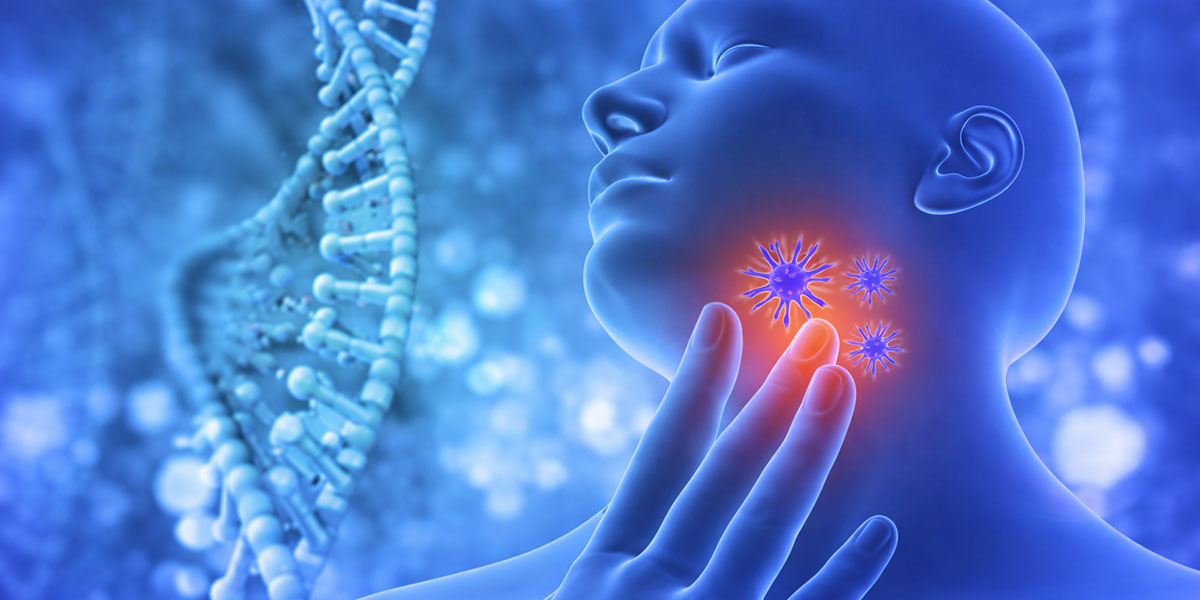
A growing body of scientific research confirms that air pollution and thyroid health are closely connected. Various air pollutants can directly affect thyroid function. As a result, they disrupt hormonal balance and compromise long-term health.
Observations from Ancient Civilisations
Humans have been exposed to poor air quality since ancient times. Today, what was once recorded as observation now receives clear scientific validation.
Hippocrates, the father of medicine, recognised the connection between disease and the environment in which people live:
“Some diseases arise from the way we live; others from the air we breathe.”
Centuries later, the Roman author Pliny the Elder warned:
“We turn the very air, the primary support of life, into a medium for the destruction of life.”
The Science of Air Pollution and Health
Although these ancient insights emerged in a very different historical context, modern science now strongly supports them. Air pollution has long been recognised as a major risk factor for lung health.
However, an increasing number of studies show that its effects extend much further. Research confirms damage to the heart and cardiovascular system, as well as the brain and nervous system. Moreover, polluted air contributes to numerous other conditions, including type 2 diabetes and thyroid disorders.
As a result, this field of research continues to gain relevance, while air pollution remains a central public health concern.
SEE ALSO: How Air Pollution Contributes to Cataract Formation
SEE ALSO: Air Pollution and Diabetes – New Scientific Evidence
The Thyroid Gland – Small Organ, Major Influence
According to the Mayo Clinic, the thyroid gland is a small, butterfly-shaped organ located at the base of the neck. It produces hormones that regulate metabolism, body temperature, heart rate and body weight.
The most common thyroid disorders include the following.
- Hypothyroidism, characterised by insufficient hormone production.
- Hyperthyroidism involving excessive hormone production.
- Thyroid nodules, which are usually benign.
- Thyroid cancer, which often has a favourable prognosis when detected and treated early.
Diagnosis typically relies on blood tests (TSH, T3, T4 parameters) and ultrasound examination. Due to its finely regulated hormonal activity, the thyroid gland remains particularly sensitive to external influences.
Air Pollution and the Thyroid Gland Are Interlinked
Traditionally, thyroid disorders were associated with genetics, iodine intake and autoimmune processes. However, contemporary research highlights air pollution as an additional and previously underestimated risk factor.
Inhaling polluted air can trigger chronic inflammation and oxidative stress. These mechanisms disrupt hormone synthesis, regulation and action on target organs, thereby increasing the risk of thyroid dysfunction.
Air Pollution and Thyroid Health in Contemporary Science
In recent years, numerous epidemiological and review studies have examined the link between air pollution and thyroid health.
The latest meta-analyses and population-based studies report the following findings:
Long-term exposure to fine particulate matter (PM2.5) is associated with:
- elevated TSH levels
- reduced free thyroxine (FT4) levels
This pattern frequently appears in individuals with reduced thyroid function.
Review articles published in journals such as Frontiers in Endocrinology and Science of the Total Environment indicate that nitrogen oxides, polycyclic aromatic hydrocarbons and heavy metals act as endocrine-disrupting substances. These pollutants interfere with the regulation of the hypothalamic–pituitary–thyroid axis.
Furthermore, experimental studies confirm that particulate pollution induces inflammatory and structural changes in thyroid tissue, providing a biological explanation for population-level findings.
Although most available studies remain observational, the consistency of results across different populations and regions suggests that the relationship between air pollution and thyroid health is systemic rather than coincidental.
Who Is Most at Risk?
Studies conducted in urban environments show more pronounced hormonal changes among:
- women
- older adults
- pregnant women
- individuals with pre-existing endocrine disorders
Air Pollutants That Affect Thyroid Health
Based on current scientific evidence, several categories of air pollutants correlate with thyroid dysfunction:
- particulate matter PM2.5
- polycyclic aromatic hydrocarbons (PAHs)
- heavy metals
- nitrogen oxides
- carbon monoxide (CO)
These substances interfere with thyroid hormone synthesis, transport, receptor binding and regulation of the hypothalamic–pituitary–thyroid axis.
Particulate Matter as a Carrier of Other Pollutants
Importantly, fine suspended particles-especially PM2.5 and smaller-pose an additional risk. Their surfaces often carry heavy metals, nitrogen oxides, PAHs and other toxic compounds.
Due to their small size, these particles penetrate deep into the lungs and bloodstream. Consequently, they transport multiple pollutants into the body, enabling complex and long-lasting adverse effects, including disruption of the endocrine system.
Where Are People Most Exposed to Air Pollution?
Air pollution often appears as an outdoor problem. Nevertheless, humans spend approximately 90% of their time indoors.
According to the US Environmental Protection Agency (EPA), indoor air can be two to five times more polluted than outdoor air. Factors include infiltration of outdoor pollution, combustion from individual heating systems, emissions from building materials, furniture and cleaning products, as well as inadequate ventilation.
Indoor Air Quality Is Your Responsibility
Data from Harvard University show that people spend around 65% of their lives inside their own homes. Therefore, residential air quality plays a decisive role in long-term health.
Given the growing evidence linking air pollution and thyroid health, ensuring clean indoor air becomes a necessity rather than a luxury.
Solutions That Drive Change
Marquis Intelligence focuses on improving indoor air quality through the design and implementation of advanced ventilation systems with integrated air purification. The goal is to reduce exposure to harmful pollutants and create healthier indoor environments, especially in spaces where people spend most of their lives.
SEE ALSO: Mini Case Study: Apartment Ventilation in Belgrade
SEE ALSO: Home and Apartment Ventilation by Marquis Intelligence
Conclusion
Since ancient times, people have recognised that the air we breathe directly affects health. Today, modern scientific research makes this connection clearer than ever.
Air pollution is not merely a respiratory issue. Its effects are systemic and disrupt delicate hormonal balance, including thyroid health. Clean air is not a luxury – it is a fundamental prerequisite for health and a basic human right.
Therefore, if someone asks whether air pollution and thyroid health are connected, the answer is unequivocal: yes.
Sources
2) Association between ambient air pollution and thyroid hormones levels: a systematic review and meta-analysis.
Science of the Total Environment, 2023.
3) Association between air pollutants, thyroid disorders, and thyroid hormone levels: a scoping review of epidemiological evidence.
Frontiers in Endocrinology, 2024.
4) Environmental chemicals and thyroid function.
European Journal of Endocrinology (Oxford Academic / OUP platform).
This article is part of the series “Air Pollution and Health”, in which Marquis Intelligence, as a socially responsible company, highlights the negative impact of air pollution on human health.
Document: MC-AP&H-011.26 – Air Pollution and Thyroid Health – New Scientific Insights
