

Blog
Is Clean Air a Necessity or a Luxury? Harvard Panel Offers Clear Answers

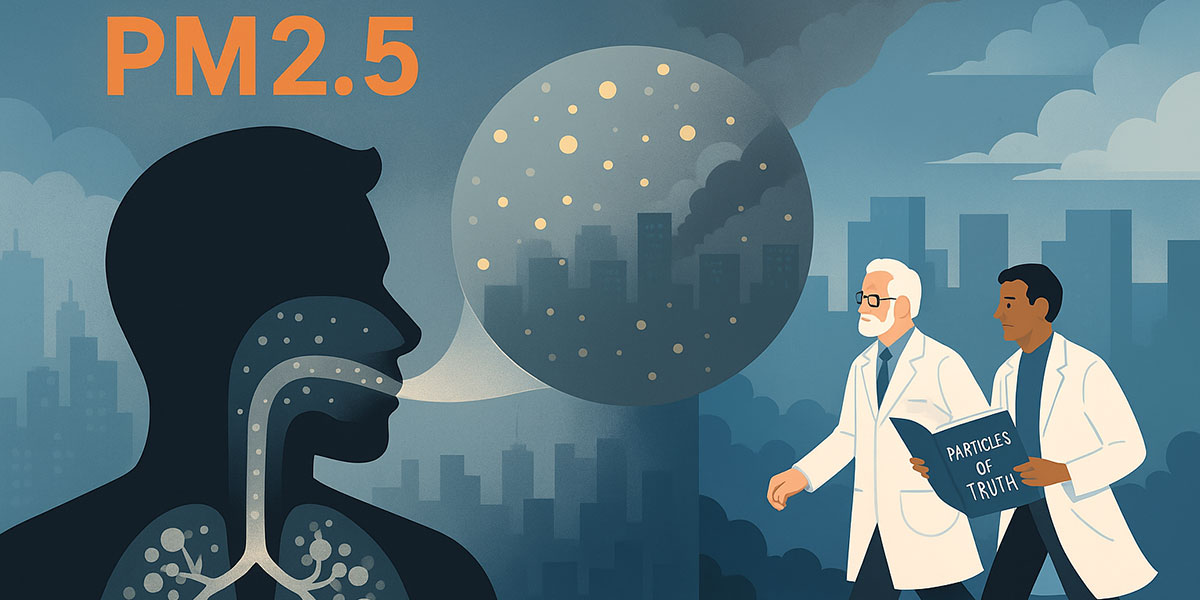
Is clean air a necessity or a luxury? This question took center stage during a recent panel at Harvard titled “Breathing Easier: The Pursuit of Clean Air“. The event brought together top public health, epidemiology, and clinical medicine experts, many with decades of experience at Harvard. The panel shed light on the importance and complexity of the fight for healthy air through solid data, personal insights, and historical milestones.
Are Scientific Findings Being Challenged?
Yes. Even findings confirmed at Harvard are sometimes questioned. While this can inspire further research, it must never be driven by vested interests.
Is the rollback of air protection regulations justified? Draw your conclusion based on the findings shared at this panel.
It is indisputable that the economic dimension favors stricter air quality regulations, not their reversal. Research shows that investing in clean air brings multiple health and financial benefits.
Air Pollution in Trial
One of the key milestones in the history of air pollution regulation was the famous Six Cities Study, led by Douglas Dockery and C. Arden Pope III, both participants in the panel.
It was shown that people living in more polluted environments died, on average, up to two years earlier. Even more alarming: these deaths occurred even in cities that officially met the air quality standards of the time.
Worryingly, the U.S. regulations from that period were still stricter than those currently in force in some countries, including Serbia.
>>SEE ALSO: New EU Air Quality Regulations
>>SEE ALSO: European Public Health Week 2024 – Health is a political choice!
Continuing the Research
The study’s authors faced skepticism and criticism. As a result, they repeated the analysis with a different sample. In collaboration with the American Cancer Society, they conducted a large-scale study involving hundreds of thousands of participants across the United States.
The results? Almost identical.
Air pollution—even within the then-permitted limits—has a serious negative impact on health and life expectancy.
>>SEE ALSO: Air Pollution and Cancer – New Scientific Insights
>>SEE ALSO: How PM2.5 Particles Threaten Heart Health
So, Is Clean Air a Necessity or a Luxury?
The panel offered a clear and unavoidable conclusion: clean air is a fundamental health necessity for the entire population.
Even a single day of exposure to elevated PM2.5 levels can reduce lung function in healthy individuals and is comparable in effect to years of smoking. The effect is invisible—but measurable and cumulative.
Findings related to children are even more alarming. Children living closer to heavy traffic have a threefold increased risk of developing asthma compared to those living further away from pollution sources.
What Happens When the Air Gets Cleaner?
There is good news. When air quality improves, people recover.
Over several years, children living in areas where PM2.5 levels dropped significantly experienced improved lung function. The risk of asthma also decreased in cities with lower pollution levels.
During the Atlanta Olympic Games, when traffic emissions were greatly reduced, asthma-related hospital visits dropped by 40%. The numbers rose again as pollution returned.
Clean Air Brings Fast, Measurable, and Unambiguous Results
The benefits of clean air go beyond health.
The panel emphasized that stricter regulations and clean air laws are politically and economically sound. One study conducted in New England found that every dollar invested in renewable energy returned six dollars in benefits, solely from improved child health.
Wildfires
One of the panel’s most striking topics was the increasing frequency of wildfires and their growing threat to health. An exceptionally detailed case examined a series of fires that struck Los Angeles earlier this year.
Panelists highlighted the unique danger of these fires: the flames consumed not only forests but also buildings, cars, and urban infrastructure.
Not All PM2.5 Is the Same
Due to the burning of rubber, plastic, and various other materials, the chemical makeup of PM2.5 was more hazardous than in a “typical” forest fire, leading to serious health consequences.
Studies conducted immediately after the fires showed elevated lead levels in the air. Even more alarming, lead levels were up to five times higher in cell samples taken from firefighters exposed to the fires than in control groups.
Air Knows No Borders
Panelists talked about last year’s wildfires in Canada. Smoke and PM2.5 from these fires reached Boston and New York.
There is no border for air pollution. Those most at risk are the first responders: firefighters, healthcare workers, and residents.
As climate change extends wildfire seasons and increases exposure and chemical risks, the answer to whether clean air is a necessity, or a luxury becomes crystal clear—it is a matter of survival and healthy living.
Can Marquis Intelligence Help?
While Marquis Intelligence has no direct influence over public policy or health systems, it can help ensure that the air in which you spend 65% of your life—the air inside your home—is safe.
Through expert planning, precise analysis, and modern technology, our mission is to improve what matters most: the everyday quality of the air you breathe indoors.
